🌱 Benefits of a Crop Swap
Updated: Sep 1, 2025

1. Access to Fresh, Local Food
Participants receive seasonal, often organically grown produce.
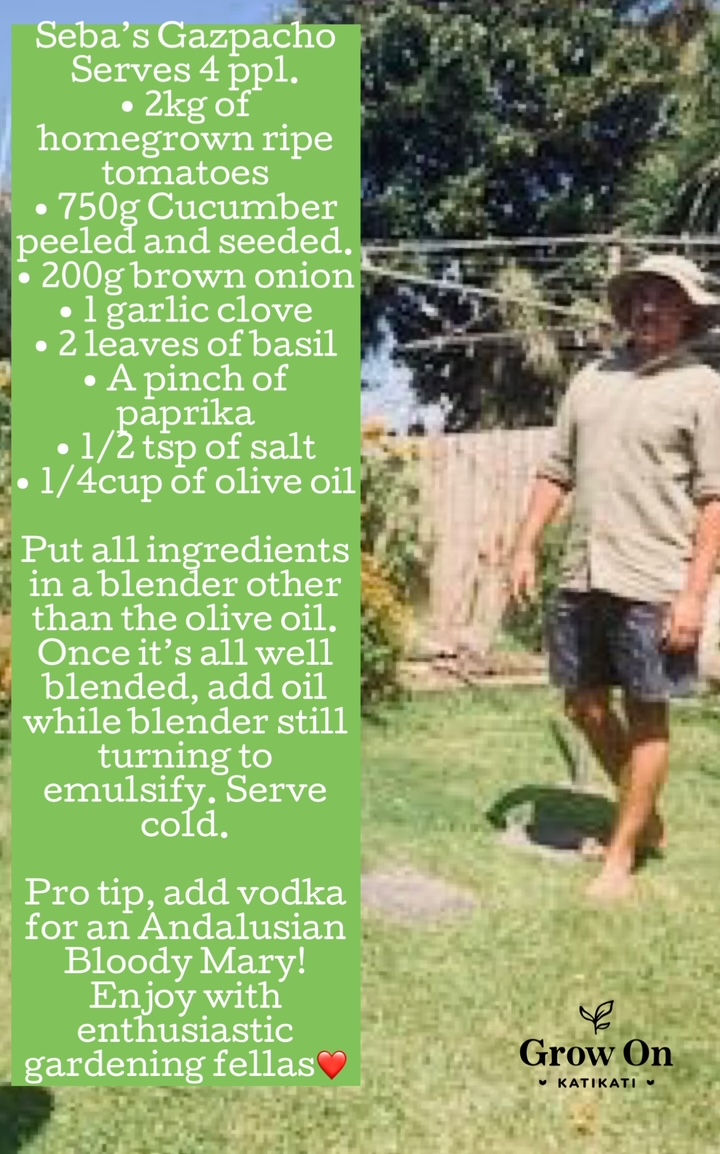
Reduces reliance on supermarkets and long food-supply chains (see poster below).
2. Cost-Effective for Both Growers and Participants
Growers can reduce upfront costs through shared inputs or help (collaborative gardens).
Participants often receive produce at below retail price or in exchange for excess seasonal goods.
3. Community Building and Knowledge Sharing
Encourages collaboration between neighbours, whānau, or local growers.
Builds social capital — sharing food, seeds, tools, and gardening tips.

From Garden to Plate - least amount of travel miles!!
4. Food Resilience
Distributes food production across multiple gardens or backyard properties.
Reduces risk of total crop loss — if one grower has a bad season, others may not (when my tomato crop was dismal, many others had bumper crops and could share them with me).
5. Waste Reduction
Helps use surplus produce that might otherwise go to waste (gardening is always a case of boom or bust, right?).
Promotes creative uses of excess (preserving, trading, sharing cooking recipes).
6. Skill Development
Participants learn about growing, harvesting, preserving, or how to prepare new food crops.
Great way to involve tamariki in food growing and sustainability. Family inclusion is encouraged.

7. Encourages Biodiversity
A variety of people growing different crops increases local food biodiversity.
Reduces monoculture and improves soil and ecosystem health.
8. Supports Small-Scale or Backyard Growers
Even if you only grow one thing (like pumpkins or kale), you can contribute meaningfully.
Empowers people with limited land to still be part of the food system.
9. Cultural and Traditional Exchange
People can grow and share culturally significant crops (remember when Kevin brought puha and shared how to cook it?).
Strengthens cross-cultural understanding and heritage food knowledge.
10. Low Barrier to Entry
Doesn’t require money — trade can be done through produce, volunteering, or by koha/donation.
Makes healthy food more accessible to lower-income households.
So what are you waiting for? Come on down to the Grow On Shed this Saturday (every first Saturday of the month) from 9.30-10.30am. Bring your excess and swap it for something you need! If you have anything food or garden related products you would like to sell, email membersgrowonkatikati@gmail.com to book your $5 stall. See you there!
Arohanui

First Saturday of the month. 
Kindly sponsored and promoted with help from our sponsor, Powerco